The growing demand for discreet, reliable safety wearables has made tracking jewelry a practical choice for seniors. This guide reviews five wearable options that blend style with essential location and safety features. Each product page includes secure location sharing, easy activation, and durable design to support independence while easing caregiver concerns. All selections are suitable for daily wear and quick access in emergencies.
| Product | Brand | Key Feature |
|---|---|---|
| Airtag Necklace Holder | DEERLET | 360° protection with rhinestone embellishments |
| Shakti Smart Safety Necklace | ResQ Store | Live location and background audio recording |
| Medical Guardian MGMini | Medical Guardian Store | Compact design with GPS tracking and 24/7 monitoring |
| AirTag Wristband | NewJourney Store | Adjustable silicone wristband for AirTag tracking |
| Medical Alert Bracelet with QR | Various | QR code medical data and real-time GPS sharing |
Airtag Necklace for Apple AirTag

The DEERLET Airtag Necklace is designed as a 1:1 replica-style accessory that securely houses an Apple AirTag (device not included). It provides 360° metal protection, shielding the AirTag from minor drops and scratches with full-body coverage. The necklace features a rhinestone inlay for a polished look, making it suitable for daily wear by adults and seniors alike. The twist-lock mechanism is designed for reliable security and ease of use, with an adjustable 29-inch chain to fit various neck sizes. While it emphasizes aesthetics, it also prioritizes the safety of the AirTag holder by protecting against everyday wear and tear.
Key considerations include compatibility with AirTag generations 1 and 2, the potential choking hazard for very young children, and the balance between fashion and function. This option is ideal for seniors who prefer a discreet, jewelry-like approach to tracking rather than a chunkier device strapped to clothing or a wristband.
While it offers impressive protection and style, it does not provide built-in GPS or active communications. It relies on paired AirTag technology to locate a registered device via Apple’s network, which may be less effective in areas with weak network coverage. Caregivers should consider this limitation when selecting a tracking strategy.
Shakti Smart Safety Necklace by ResQ

The ResQ Shakti Smart Safety Necklace integrates live GPS location tracking with discreet audio recording and an intuitive one-touch activation system. When engaged, it sends live location data to designated emergency contacts for up to 24 hours, offering a robust safety net for late-evening walks, solo travel, or unfamiliar environments. The device also records ambient sounds in the background, providing contextual information valuable to responders or caregivers who need a fuller picture of the situation.
Users can tailor the alert system to be audible or discreet, ensuring the wearer remains comfortable while caregivers receive timely notifications. One-touch activation centralizes control in emergencies, enabling rapid requests for assistance. Although primarily a necklace, ongoing monitoring and data access require pairing with a compatible smartphone or monitoring service.
Considerations include battery life, data plans, and the potential for audio recording to raise privacy questions. The Shakti necklace prioritizes proactive safety and rapid communication, suitable for individuals who value a blend of elegance and high-security features.
Medical Guardian MGMini
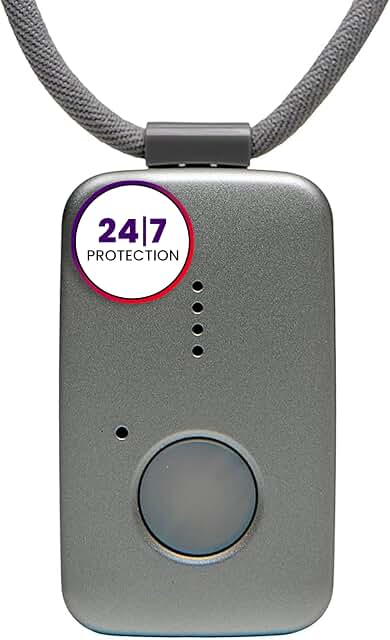
Medical Guardian MGMini is a compact medical alert device designed for seniors who want reliable protection with minimal bulk. It offers 24/7 monitoring and GPS tracking, delivering dependable coverage whether at home or on the move. The device can be worn as a pendant or belt clip, giving users flexible wearing options to suit different situations and preferences.
With instant help via a single press, users can connect to an operator who can dispatch EMTs, police, firefighters, or a trusted contact. The system supports two-way audio for direct communication with responders, improving response times in emergencies. Optional fall detection can be activated during setup for added safety. The MGMini is well-regarded for its discreet design, dependable coverage, and user-friendly interface for seniors and caregivers alike.
Important considerations include ongoing monitoring costs, the device’s reliance on cellular networks, and the caregiver’s access to monitoring data. The MGMini emphasizes continuous protection and caregiver peace of mind through real-time location sharing and rapid response capabilities.
AirTag Wristband for Adults

The NewJourney Adult Bracelet is a soft silicone wristband designed to hold an AirTag securely while offering a comfortable wear experience for adults and seniors. The adjustable strap accommodates wrist sizes from 6.88 to 8.26 inches, making it suitable for many users. The silicone material is durable, washable, and easy to clean, which is practical for daily wear and for individuals who may have ongoing health considerations requiring simple maintenance.
As a wrist-worn tracking solution, it depends on the AirTag’s location network to provide location data, leveraging Apple’s Find My network. This option provides convenience and a low-profile look, particularly for wearers who prefer a bracelet over a necklace. It is not a standalone GPS device and requires the AirTag ecosystem for real-time tracking.
Medical Alert Bracelet With QR And GPS

This medical alert bracelet combines a durable silicone wristband with a QR code that stores detailed medical data and rescue instructions. It also enables real-time GPS location sharing via a linked system, providing responders with immediate access to critical information and current location data. The QR code can be scanned by rescuers to retrieve medical details, making it particularly useful for seniors with chronic conditions, allergies, or complex medication needs.
Key advantages include digital accessibility, easy updates, and the ability to share location via email to emergency contacts. It supports quick, informed action during emergencies and helps caregivers monitor health conditions remotely. Potential limitations include the need for a linked service or app and the reliance on network connectivity for GPS data transmission.
Buying Guide
When choosing tracking jewelry for an elderly loved one, consider safety, privacy, and usability. Key factors include:
- Location technology: Decide between GPS-based trackers, AirTag-based options, or hybrid systems. GPS offers real-time updates in many areas but may require monitoring plans; AirTag relies on crowdsourced networks and works best with Apple devices.
- Form factor and comfort: Necklaces, bracelets, and pendants should be lightweight, non-irritating, and easy to don/doff. Consider skin sensitivities and dexterity limitations.
- Battery life and charging: Longer battery life reduces maintenance. Check charging ease and whether the device is rechargeable or replaceable.
- Alerts and notifications: Choose systems with clear, configurable alerts—visible on caregiver devices, or via smart home integrations—and consider whether silent alerts are needed for discreet safety.
- Emergency access: Look for one-touch activation, reliable two-way audio, and direct links to emergency contacts or responders.
- Privacy and consent: Ensure the wearable’s data sharing complies with privacy expectations. Confirm who can access location data and under what circumstances.
- Durability and water resistance: For daily wear, devices should withstand sweat, rain, and occasional moisture exposure.
- Caregiver access: Evaluate how caregivers will monitor data, receive alerts, and communicate with the wearer without causing distress.
- Cost and monitoring plans: Consider upfront device costs and any ongoing monitoring subscriptions or service fees. Choose a plan that fits care needs and budget.
To maximize safety, match the choice to the wearer’s daily routines and environments. For high-traffic areas or places with unreliable network coverage, devices with strong local notifications and a reliable fallback method should be prioritized. For privacy-conscious users, discreet jewelry that still provides essential data without overt signaling can improve comfort and acceptance. A combination approach—such as a lightweight wristband for everyday wear plus a necklace for occasions—can balance visibility, ease of use, and safety coverage.
Add a Comment