The following selections center on a 0.3 carat range and related diamond alternatives, offering clarity on quality, beauty, and value for American shoppers. From lab-grown diamonds to moissanite, these options span everyday wear to special occasions. Each product highlights durability, color, and cut to help buyers compare outcomes for rings, earrings, bracelets, or pendants.
| Product | Type | Carat/Size | Notes |
|---|---|---|---|
| Moissanite Moissanite Loose Stone | Moissanite | 0.3 ct | Colorless, VVS1, bright cut |
| Lab Grown Diamond Wedding Bands | Lab-grown diamonds | 0.3 – 0.42 ct | 18K white gold; eternity band |
| Lab Grown Diamond Ring 0.3 ct | Lab-grown diamond ring | 0.3 ct | D-E color, VS clarity |
| IGI Certified Lab Grown Diamond Ring | Lab-grown diamond ring | 0.3 – 3 ct range | D-F color, VVS1-VS1 clarity |
| Moissanite Tennis Bracelet | Moissanite bracelet | 0.3 ct per stone | 0.3 ct x 41 stones; white gold plated |
These selections provide a spectrum of options for those considering simulated diamonds and moissanite, with attention to brilliance, ethical sourcing, and wearability. Readers can compare cut quality, color, and clarity across moissanite and lab-grown options to determine which best fits personal taste and budget.
Moissanite Diamond-Like Gem for Jewelry Making

Product Overview: This 0.3 carat moissanite piece features a top-grade gem crafted from silicon carbide (SiC), delivering a hardness of 9.25 and a colorless, transparent profile described as D-color and VVS1 clarity. Marketed as a robust substitute for diamond in experiments and jewelry, its brilliance and fire are highlighted as brighter and more striking than real diamonds in some descriptions. The circular bright-cut design enhances radiance and flame, making it particularly suitable for DIY rings, earrings, pendants, and bracelets.
Key Attributes: The moissanite is described as brighter and more sparkling than real diamonds with a precise cut intended to maximize fire and scintillation. The 0.3 carat size is a common choice for versatile, wearable jewelry components, allowing for multiple design options in DIY projects.
Considerations: While moissanite offers excellent sparkle at a lower cost, buyers should evaluate how the color grade (D) and purportedly enhanced flame align with personal preferences versus natural diamonds. Compatibility with various metals and settings should be tested in design plans.
Lab Grown Diamond Wedding Bands
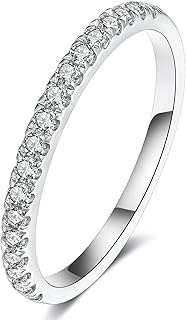
Product Overview: This collection features 18 sparkling lab-grown diamonds set around the band, with 1.5 mm stones arranged to deliver a continuous gleam. The ring is offered as an eternity style in 18K white gold or sterling silver, with emphasis on durability and timeless elegance for women seeking a signet-like shimmer that pairs with various outfits and occasions.
Key Attributes: Known for affordability, the bands market durability and shine while maintaining a sustainable footprint. Hand-polishing and precise setting under a micro-inlaid mirror aim to provide a comfortable fit that resists snagging, ensuring lasting beauty for everyday wear and special events alike.
Considerations: Prospective buyers should verify band size options, metal color preference (white gold versus silver), and any maintenance recommendations to maintain the metal’s finish over time.
0.3 Carat Lab Grown Diamond Ring

Product Overview: This ring showcases a 0.3 carat lab-grown diamond with D-E color and VS clarity, set in sterling silver. The design emphasizes ethical sourcing and affordability while delivering the optical and chemical properties comparable to natural diamonds. The ring is positioned as a thoughtful gift for engagements, anniversaries, or everyday wear with a focus on sustainability and accessibility.
Key Attributes: Ethically sourced and chemically identical to mined diamonds, lab-grown stones offer transparency in origin with IGI/C certification potential in related pieces. The product targets buyers seeking a balance of luxury feeling and responsible consumption.
Considerations: Prospective buyers may want to explore certification options and ensure proper ring sizing and resin or metal compatibility for long-term wear.
IGI Certified Lab Grown Diamond Ring
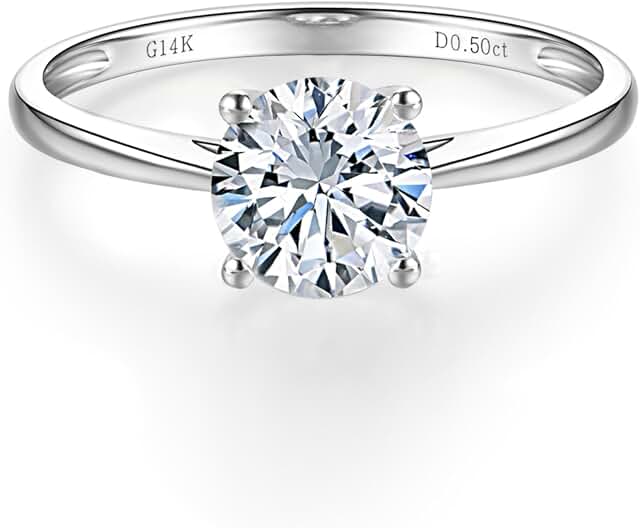
Product Overview: This collection highlights lab-grown diamond rings with IGI certification, ensuring traceable quality. The stones range from D-F color and VVS1-VS1 clarity, presenting a pristine, nearly colorless appearance. The bands are crafted in solid 14K white or yellow gold, offering a classic and versatile look for engagements or anniversaries.
Key Attributes: The IGI certification provides transparency regarding the diamond’s origin and grading, aligning with consumer demand for ethical sourcing and verifiable quality. The color and clarity grades promise a crisp, bright sparkle that maintains brilliance over time.
Considerations: Buyers should confirm the exact size, metal choice, and any warranty or return policy linked to certification details. Compatibility with wedding or stacking rings can influence style decisions.
Moissanite Tennis Bracelet

Product Overview: This moissanite tennis bracelet features 0.3 ct stones per module, set in 925 sterling silver with 18K white gold plating. The design includes a hidden safety clasp for secure wear and a offered length range of 6 to 7.5 inches, accommodating a variety of wrist sizes. The total weight is described as 12.3 carat total weight (TW) across the bracelet, suggesting a substantial, eye-catching piece.
Key Attributes: The bracelet emphasizes hypoallergenic metal, durable plating, and the bright, consistent sparkle of moissanite in a classic tennis style. The white gold plating adds a refined finish suitable for both everyday wear and formal occasions.
Considerations: Prospective buyers should consider wrist circumference, clasp security, and any sensitivities to plating finishes. Maintenance guidance for sterling silver and plated jewelry can help preserve the piece’s luster over time.
Buying Guide: Key Purchase Considerations
- Material and origin: Decide between moissanite, lab-grown diamonds, or other diamond alternatives. Moissanite offers exceptional sparkle and durability; lab-grown diamonds provide color, clarity, and ethical sourcing alignment similar to natural diamonds.
- Color and clarity: Look for stones labeled with color grades (e.g., D-E) and clarity grades (VVS1-VS1) for maximum brilliance. These attributes influence perceived fire and transparency.
- Cut quality: A well-cut stone reflects light efficiently. For moissanite, a bright-cut or circular brilliant cut is common; for lab-grown diamonds, standard round cuts emphasize brilliance.
- Setting and metals: Consider ring sizes, metal colors (white, yellow, or rose gold; sterling silver), and whether hypoallergenic materials are needed. Durable settings reduce snagging and wear.
- Certification and ethics: IGI or other reputable certificates improve transparency about origin and grading. If sustainability matters, verify the sourcing practices and manufacturing standards.
- Care and maintenance: Some metals and platings require routine cleaning to prevent tarnish. Check care instructions to maintain color and shine over time.
- Budget and value: Lab-grown options typically offer more affordable pricing compared with mined diamonds, while moissanite provides a cost-effective path to significant sparkle.
- Use case: Choose based on intended wear—everyday use benefits from sturdy settings and comfortable sizing, while statement pieces may prioritize size and fire over daily practicality.
Add a Comment